Julie of the Wolves meets Pilgrim’s Progress in Beast, Chawna Schroeder’s debut fantasy novel published by Enclave in 2016.
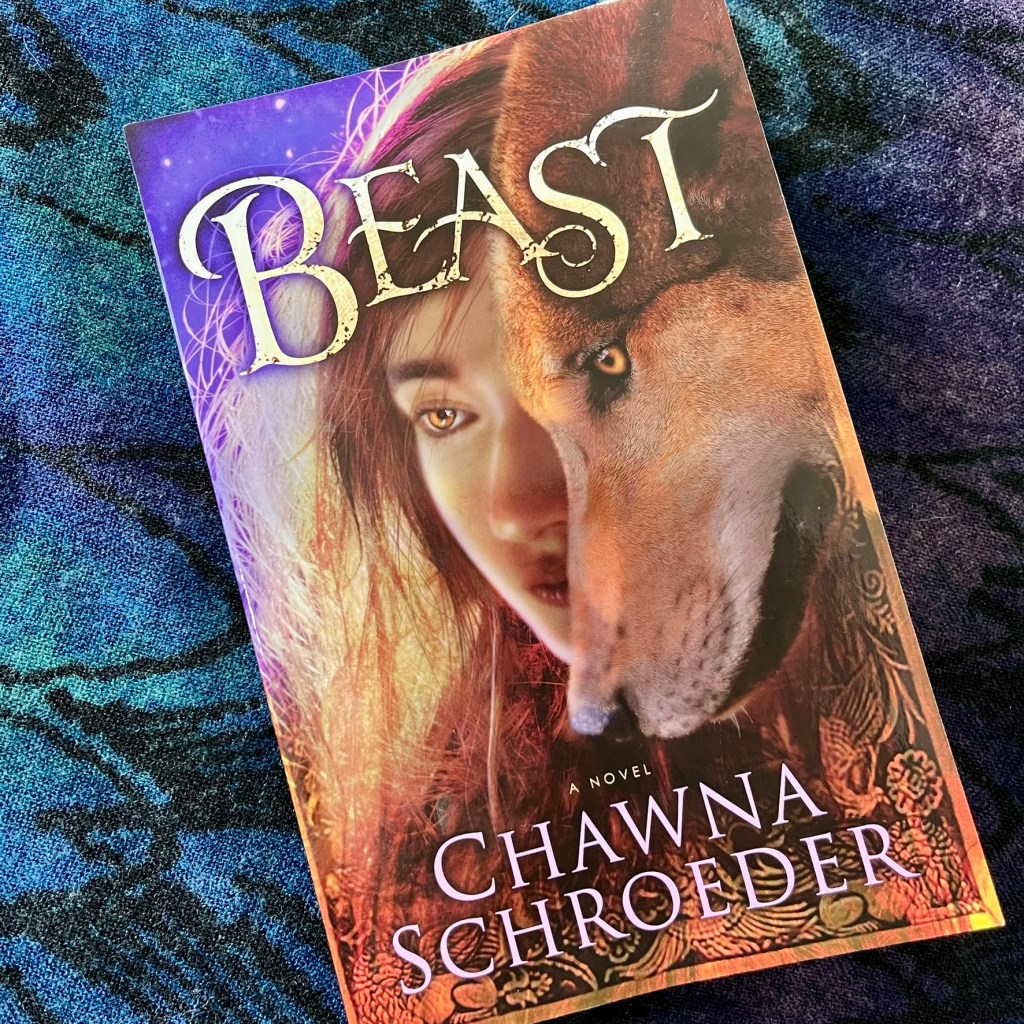
I saw this story recommended by authors I follow and put it on my to-read list on Goodreads. When Embergold author Rachelle Nelson recommended it in one of her newsletters, I knew I needed to buy it. So when I learned about Enclave’s summer sale last year . . . Beast was one of the books I snatched.
Then it sat on my bookshelf because life slowed my reading way down, though I kept telling myself the next book I read was going to be Beast . . . once I finished the book I was currently reading . . .
Anyway, I was still halfway through two non-fiction books at the time, but when my brain started itching for a good fiction story, I made a beeline for Beast.
It was definitely the Holy Spirit who nudged me toward this book. I needed this story, and not just for my mind to get lost in a beautifully crafted tale. My heart needed this story and its messages—messages of being loved unconditionally, of knowing and celebrating who you are in Christ, and of belonging to a family no matter where you come from.
I never full-out cried reading Beast, but I came close a few times. I even texted some passages to my best friend after conversations we’d had (and struggles I faced) about accepting love, receiving good things, and feeling—being—enough. Beast’s story ministered to me and was actually an answer to prayer. (I prayed for God to help me see more of His love, and then I read Beast.)
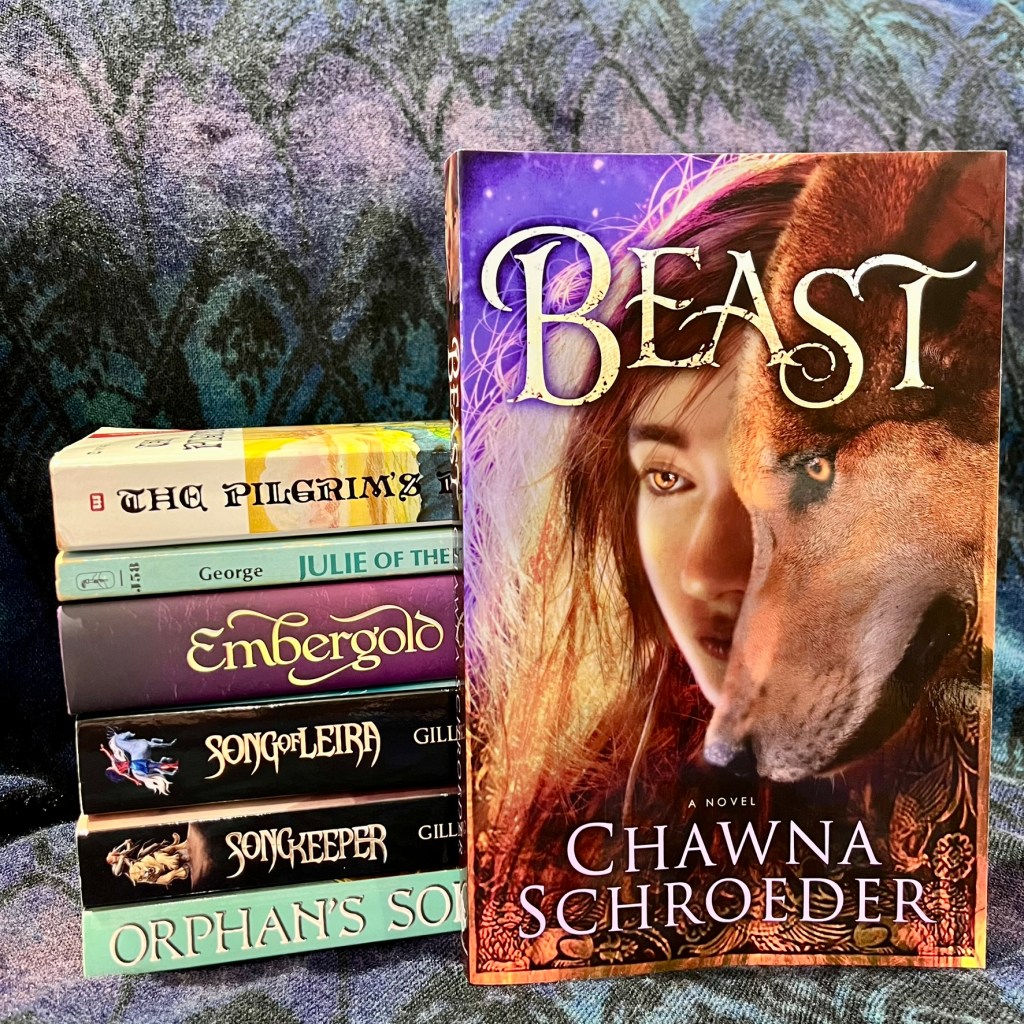
Though at times more blatant than other fantastical allegories I’ve read (such as Gillian Bronte Adams’ Songkeeper Chronicles or Rachelle Nelson’s Embergold), therein lie the power and the beauty of this tale. In this way Beast reminded me of Pilgrim’s Progress, just a little more embedded in a fictional world.
And what a world. The wilderness settings and the entire premise of a feral-raised human were what made me think of Julie of the Wolves, a book that intrigued and delighted me as an animal-loving girl. (Who isn’t fascinated by pretending to be an animal, or thinking you are an animal?) On top of that intrigue, Beast’s physical infirmity won my sympathy right away (and won more points for this story) after my years of chronic illness. So if you’re looking for books about main characters with a handicap, add Beast to your list.
I was hooked at the start by this unusual situation—is she beast or human?—so deftly told through first-person point of view. No boring info-dumping or awkward out-of-POV explanations here—the story began tight and close like a flower bud, imprinted with questions, and slowly unfolded one layer at a time, drawing the reader deeper to gradually and naturally learn the answers.
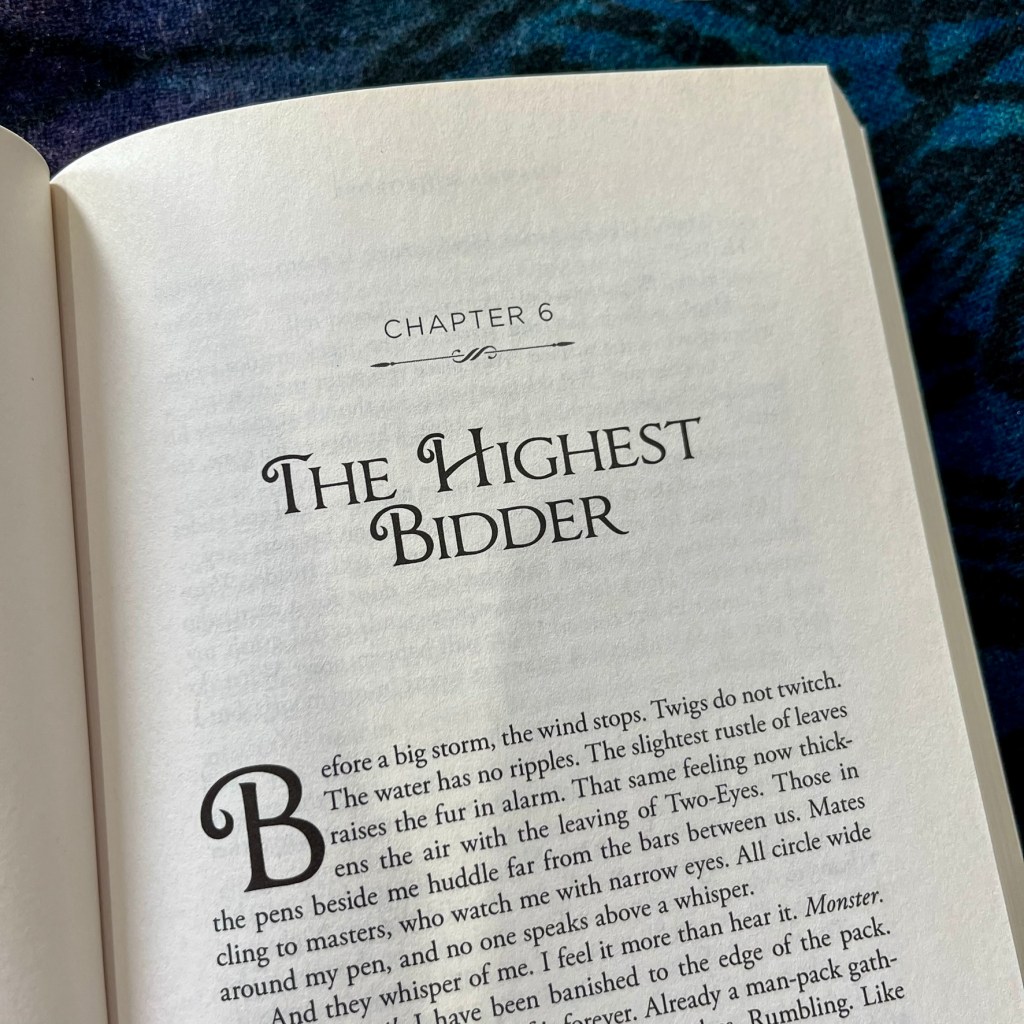
What also carried me forward into the story was the incredibly effective writing style. With admirable creativity, Schroeder employs primal descriptions and a choppy style that perfectly fit the first-person narrative of a creature. I saw and felt everything through a non-human’s heightened senses and instinctive mind. And the shifts as the story progresses—I don’t want to give more away, but let me just say, the writing is as much the story as the events and characters.
Speaking of characters—not only will you sympathize with Beast, but you’ll also hate Two-Eyes, love Majesty, want to protect Tabby, and admire Tracker. I loved the variety of characters, their interactions and relationships, and the powerful role of each in both the story and the allegory.
While generally I prefer reading allegories that are a step subtler, Beast has won my admiration with its themes, its story, and its powerful writing style. I definitely want to read Schroeder’s other books: The Vault Between Spaces (2020), Illuminary (The Sceptre and the Stylus, #1, 2025), and Perplexity (The Sceptre and the Stylus, #2, coming 2026).
Will you join me in reading more from this talented author?
 Melissa J. Troutman